Where Leesburg roofs leak, by the decade they were built
Roofs built in the same era by the same handful of builders fail in the same places. Knowing the year your house was built narrows the search before we set up a ladder.
1947 to the 1970s: Silver Lake, Palmora Park, the downtown grid, the ranches off CR 44
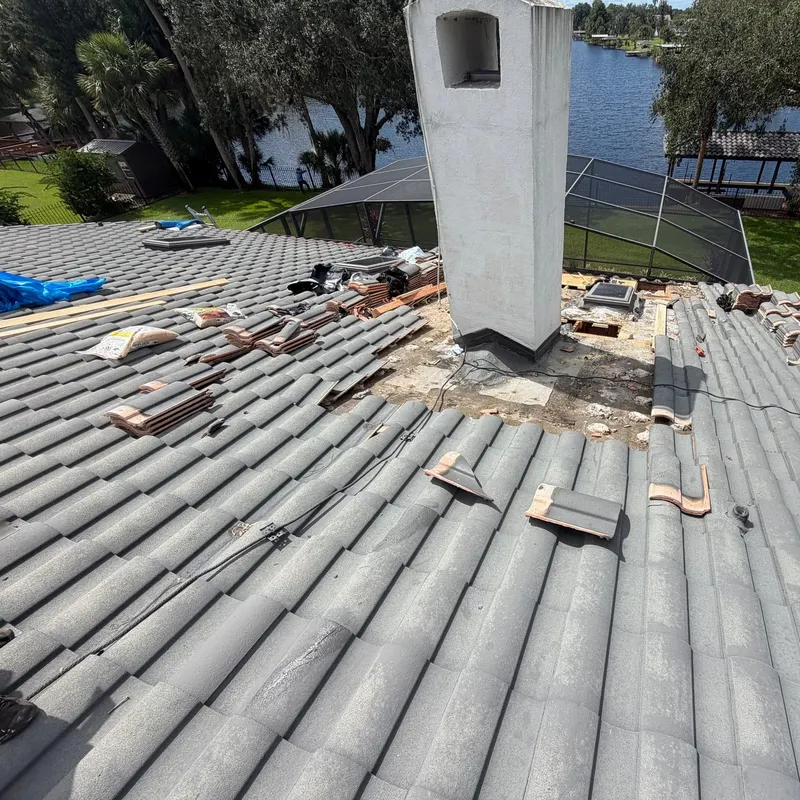
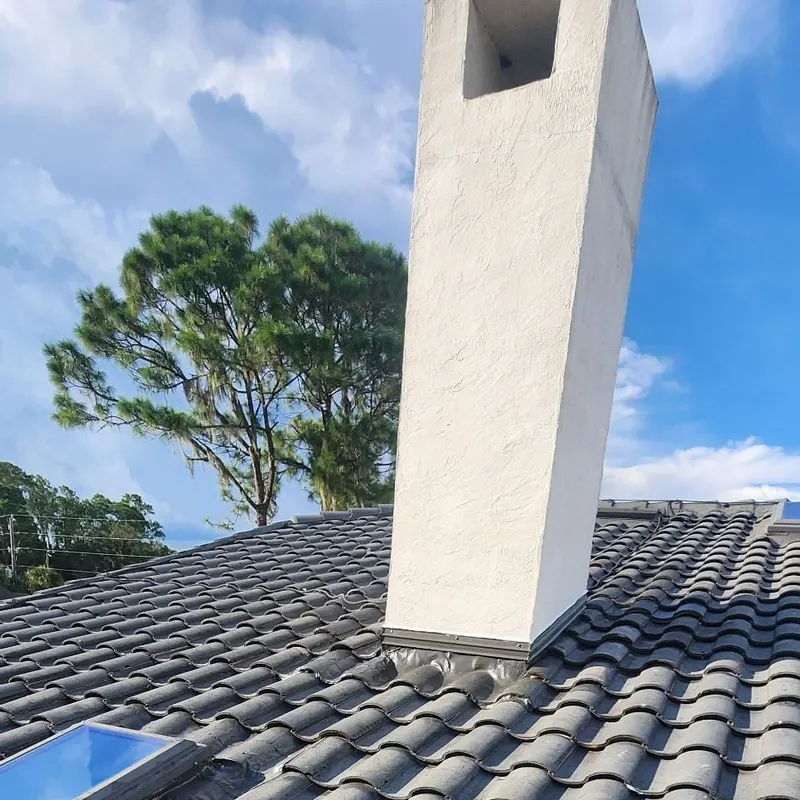
Low pitches, plank or early plywood decking, Florida-room and carport additions tied in at a shallow angle, and usually a second layer of roofing. Leaks come from step flashing that has been caulked instead of replaced, closed valleys that hold water, the seam where an addition meets the main roof, and rotted decking at the eaves where gutters overflowed for decades. Chimneys on these homes often have no cricket on the uphill side.
1980 to 1992: Scottish Highlands, Pennbrooke Fairways, the first Plantation phases
First-generation 3-tab shingles that are now 30 to 45 years old if never replaced, neoprene pipe boots from the original build, drip edge that was never installed, and sheathing nailed to a pre-2002 schedule. Leaks: boots, nail pops lifting tabs, wind-broken seals on the sun-facing slopes, and gable-end rake edges where the first course has curled.
1990 to 1999: Highland Lakes, mid-Plantation, early Legacy streets
Early architectural shingles, metal ridge vents now rusting at the fasteners, and the first generation of off-ridge vents. Leaks: ridge vent end caps and nails, goose-neck vent seams, skylight curbs on the lanai side, and valleys where granule loss has thinned the shingles to the mat.
1999 to 2008: Royal Highlands, Legacy of Leesburg, late Plantation, first Arlington Ridge sections
Good roofs that are now 18 to 27 years old. Everything rubber or sealant-based is at end of life: pipe boots, skylight gaskets, sealant at satellite dish and solar mounts, and the mastic under exposed ridge nails. The shingles are usually fine; the accessories are not.
Manufactured homes: Hawthorne, Mid Florida Lakes, Lake Griffin Harbor, Lakeside Village, Coachwood Colony, Spanish Village
Seams on metal roofs, lap-screw fasteners that have backed out, J-rail edges, roof-over transitions and coatings that have chalked through. Covered in detail on the mobile home roofing page.