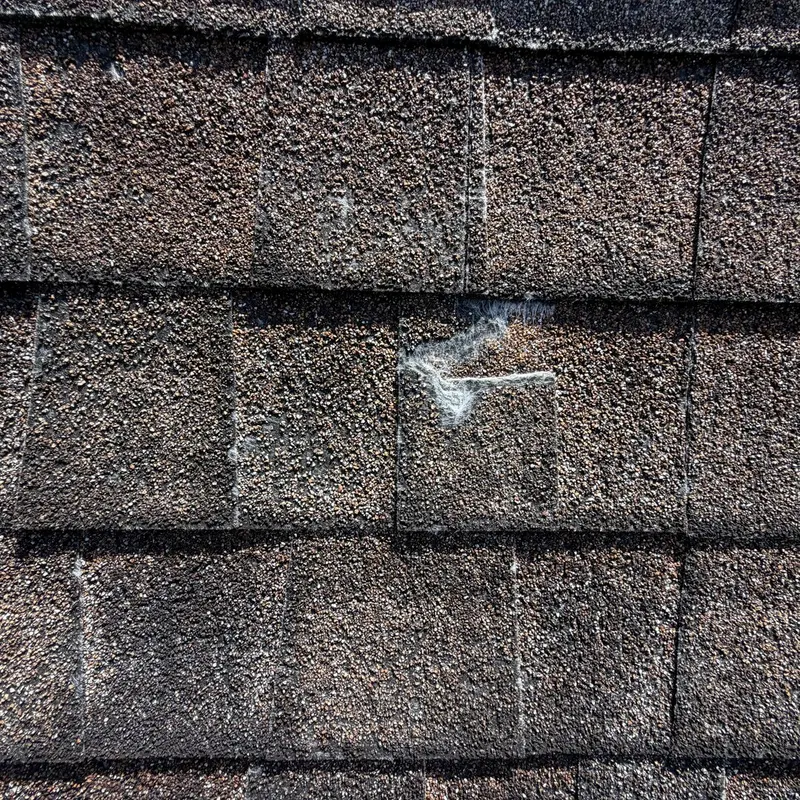
What Leesburg storms have actually done to roofs
Three named storms define the recent history. Hurricane Irma (September 10-11, 2017) produced a 69 mph peak gust at Leesburg International Airport with sustained winds of 42 knots, 8.18 inches of rain at the airport and 10.13 inches at a gauge 2.7 miles northwest of it. An EF-1 tornado touched down in Umatilla and tens of thousands of Lake County homes lost power. Hurricane Ian (September 28-29, 2022) was milder here, with a 56 mph gust at the airport, but it arrived on roofs that were five years older than they had been for Irma.
Hurricane Milton (October 9-10, 2024) was the heavier blow. The National Hurricane Center lists a 72-knot gust, roughly 83 mph, at the airport with sustained winds of 43 knots and 8.89 inches of rain at Leesburg. The National Weather Service in Melbourne recorded Lake County gusts of 55-75 mph, six to eleven inches of rain, 285 structures affected (216 minor, 66 major, 7 destroyed) and about $13.6 million in losses, with no confirmed tornado in the county. On October 10, 108,268 of the county's 201,960 electric customers were without power, including 18,972 Leesburg Electric customers.
Go back further and the 2004 season tells a quieter story for Leesburg than for the coast: Frances peaked at 31 mph sustained in Leesburg (though Lake County damage topped $6 million), Jeanne reached 37 mph and Charley barely registered in the county. The lesson for a homeowner is that a Leesburg roof is tested less by catastrophic landfall than by repeated 50-80 mph events spread over its life, each one loosening a few more fasteners and sealant strips. Read our fuller Leesburg storm damage guide on the main site for the season-by-season checklist.